
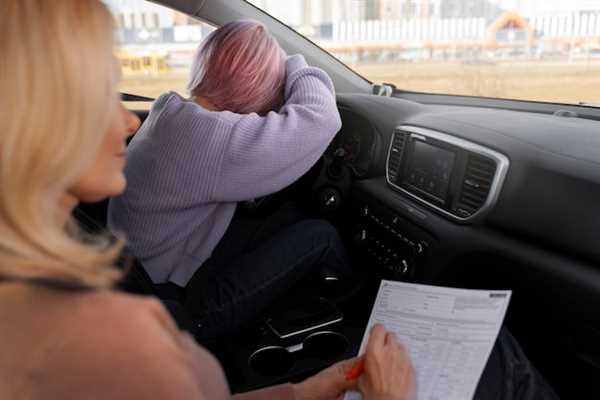
Incorporating visualization can significantly enhance focus and performance on the road. By mentally rehearsing driving scenarios, you can build confidence, reduce anxiety, and improve decision-making under pressure. Spend a few minutes each day picturing yourself navigating challenging conditions while executing perfect maneuvers.
Establish a routine that includes deep breathing exercises. Controlled inhalation and exhalation help manage stress levels, allowing sharper cognitive function and enhanced reaction time. Aim for a few minutes of this practice before starting your shift or during breaks to maintain a calm state of mind.
Maintaining peak physical condition plays a vital role in mental acuity. A balanced diet rich in nutrients, regular exercise, and adequate sleep contribute to optimal psychological performance. Prioritize hydration and avoid heavy meals before driving, as these can impair alertness.
Engage in reflective practices post-drive. Analyze your performance and emotional response to various situations encountered on the road. This self-assessment fosters awareness, enhancing your ability to adapt and improve in future scenarios.
Finally, consider the power of positive self-talk. Reaffirmations can shape your mindset, bolstering resilience and cultivating a proactive approach to challenges. Replace negative thoughts with constructive affirmations to strengthen your psychological resilience.
Visualization Strategies for Enhanced Driving Performance
Engage in detailed imagery exercises focusing on routes and challenging scenarios. Visualize each turn, acceleration, and braking, incorporating sensory details such as sounds and sights. This practice enhances your ability to anticipate and react to real-time situations, significantly improving your driving skills.
Create a mental script where you visualize yourself executing maneuvers flawlessly. Rehearse parking, merging, or navigating tight spaces in your mind. This not only builds confidence but also sharpens reflexes, contributing to better on-road behavior.
Use relaxation techniques before visualizing. Incorporate deep breathing exercises to reduce tension. A calm mind facilitates clearer visualization, thus optimizing your cognitive responses during actual driving tasks.
Involve your emotions in the process. Picture yourself feeling focused and calm while driving in various environments. Associating certain feelings with your imagined driving scenarios prepares you psychologically, enhancing overall performance.
Regularly review driving footage if available. Analyze routes and driving styles. Afterward, visualize adjustments based on what you observed. This reflection coupled with visualization sharpens your skills and reinforces effective habits.
Set specific goals related to performance, and visualize achieving them vividly. For instance, if aiming to improve reaction times, imagine scenarios that test this ability. This targeted approach leads to measurable improvements.
Incorporate visualization into a regular routine. Spend a few minutes each day visualizing upcoming drives. Consistency solidifies these mental images, making them more effective when faced with actual driving challenges.
Mindfulness Practices to Manage Stress and Anxiety on the Road
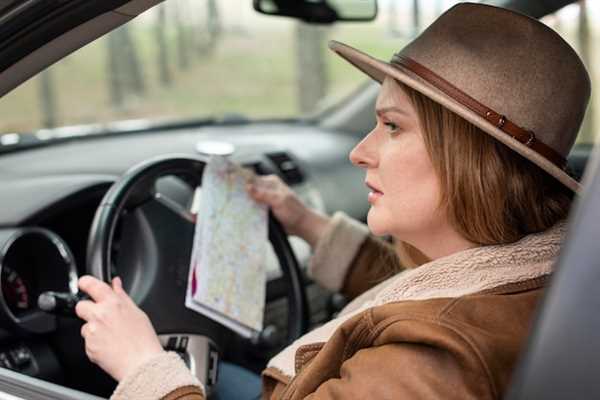
Focus on your breathing: take a moment to close your eyes and inhale deeply through your nose, hold for a few seconds, then exhale slowly through your mouth. Repeat this cycle several times, ensuring your mind stays present, which can significantly lower anxiety levels.
Practice body scanning: while seated, mentally check in with each part of your body, starting from your toes and moving upwards. This awareness helps release tension and promotes relaxation, contributing to improved performance.
Utilize visualization: picture yourself driving calmly, handling obstacles with ease. This technique is proven in psychology to create a sense of preparedness and enhance confidence, which reduces stress during actual driving.
Implement gratitude exercises: jot down three things you appreciate before you start your engine. Focusing on positive aspects shifts your mindset and can alleviate feelings of anxiety.
Engage in mindful listening: while on the road, listen to calming music or nature sounds. Concentrating on these soothing auditory experiences can distract from stressors and create a peaceful driving atmosphere.
Set intentions: before driving, state a clear intention regarding your focus and attitude for the trip. Having a defined goal helps channel your mindset and enhances your concentration.
Limit distractions: reduce stimuli in the vehicle by silencing notifications on devices. A calm environment allows for better focus, reducing anxiety and improving overall performance.
Developing Focus and Concentration Techniques for Long-Distance Driving

Practicing mindfulness can significantly enhance a driver’s ability to maintain concentration over long stretches. Taking short breaks every two hours promotes alertness and helps reset cognitive functions.
Using visualization strategies can prepare the mind for anticipated challenges. Imagine potential hazards on the road and mentally rehearse appropriate responses, reinforcing confidence in decision-making abilities.
Incorporating breathing exercises aids in reducing fatigue. Inhale deeply for four counts, hold for four, and exhale for six. This simple method reduces stress and sharpens focus by increasing oxygen flow to the brain.
Establishing a consistent routine before embarking on lengthy travels can help minimize distractions. Engage in activities that promote mental clarity, such as light stretching or listening to music that enhances mood without being overly stimulating.
Regularly practicing attention-focusing exercises, such as counting specific road signs or monitoring vehicle speed, can sharpen cognitive skills during driving tasks. These methods create a more engaged driving experience.
Utilizing technology wisely, like apps that track alertness levels, can provide valuable insights into when to take breaks or adjust driving habits. Self-awareness plays a key role in maintaining concentration over extensive distances.
Finally, staying hydrated and consuming balanced snacks can keep energy levels up, preventing sluggishness and enhancing overall drive performance. Keeping the body nourished supports optimal cognitive function, aiding prolonged focus.