
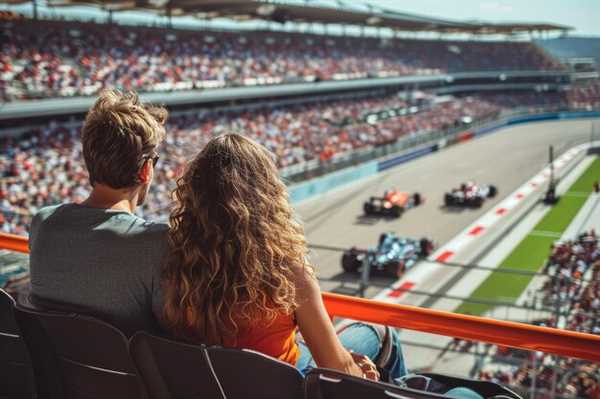
To maximize audience engagement and ensure a thrilling experience, race organizers must prioritize strategic partnerships with sponsors and media outlets. These connections not only enhance financial backing but also expand the reach and visibility of competitions across diverse platforms.
Leveraging social media channels is another vital tactic. Engaging content, behind-the-scenes footage, and interviews with drivers can generate buzz, attracting fans and boosting ticket sales. A well-executed social media campaign can significantly elevate the excitement surrounding a race day, creating a sense of community among enthusiasts.
Furthermore, organizers should focus on improving the in-person spectator experience. Incorporating fan zones, interactive booths, and entertainment options can turn a simple race into an immersive experience. Such initiatives not only elevate the event’s profile but also encourage repeat attendance, contributing to long-term success.
Understanding the Role of Race Promoters in Event Success
Utilize data analytics to enhance attendance figures. Analyze past race statistics to identify trends in ticket sales, audience demographics, and peak attendance times. Tailoring marketing strategies based on this information can maximize turnout.
Engage with local communities by organizing outreach programs. Collaborate with schools, businesses, and local organizations to create a supportive atmosphere. This can increase local interest and foster a loyal fan base.
Implement dynamic pricing to optimize revenue. Offering tiered pricing based on demand allows for maximized sales while catering to various budget levels. Adjusting prices as the event approaches can also stimulate last-minute purchases.
Enhance the spectator experience with interactive elements. Incorporate technology such as mobile apps for real-time updates, live streaming, and social media integration, allowing participants to share their experiences and increase visibility.
Form strategic partnerships with brands. Collaborating with companies that align with your audience can enhance sponsorship opportunities, increase funding, and elevate the overall experience for attendees through giveaways or exclusive promotions.
Focus on creating memorable attractions beyond the races themselves. Incorporating entertainment options such as concerts, fan zones, and interactive exhibits can attract a broader audience and keep attendees engaged throughout the event.
Solicit feedback actively from participants and spectators. Post-event surveys or social media polls can provide insights on what worked well and what areas need improvement. This data can guide future planning and improve satisfaction rates.
Strategies Employed by Promoters to Enhance Audience Engagement

Implementing interactive experiences, such as virtual reality simulations of race scenarios, allows fans to immerse themselves in the action and feel part of the thrill.
Leveraging social media platforms to conduct live polls and Q&A sessions fosters a sense of community, encouraging immediate feedback and interaction, which keeps the audience engaged throughout the racing weekend.
Developing content tailored to specific demographics, such as behind-the-scenes looks or driver interviews, captures the interests of various age groups, enhancing overall spectator involvement.
Creating loyalty programs that reward fans for attendance or online participation motivates increased turnout and online interaction, transforming casual fans into devoted supporters.
Utilizing gamification techniques, such as fantasy racing leagues, engages fans beyond the actual race, maintaining excitement and involvement year-round.
Offering exclusive merchandise and limited-edition collectibles during the race not only enhances the in-person experience but also encourages purchases, directly impacting revenue and brand loyalty.
Incorporating mobile applications that provide real-time data, such as race stats or driver updates, keeps fans informed and engaged, enhancing their race day experience.
Organizing fan zones where attendees can meet drivers, participate in competitions, and access interactive exhibits fosters a deeper connection to the sport.
Integrating the use of augmented reality elements into live broadcasts attracts tech-savvy viewers and enhances the viewing experience, bridging the gap between physical presence and remote viewing.
Case Studies: Impact of Promoters on Specific Motorsport Events
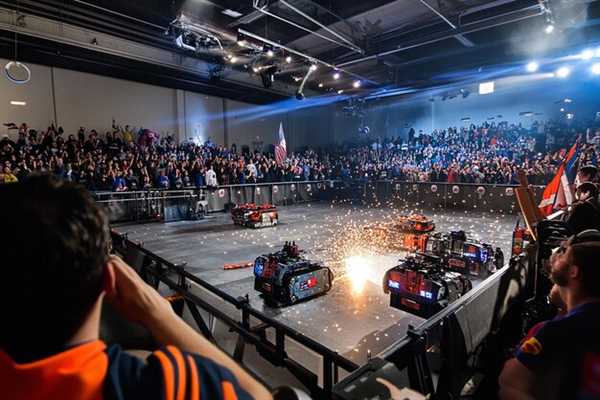
The organizational strategies employed can significantly affect the outcome of racing competitions. Analyzing specific instances highlights this connection. Examining the Formula 1 and NASCAR series provides valuable insights.
One notable case is the Formula 1 Canadian Grand Prix. Here, the event organizers introduced innovative fan engagement activities such as a virtual Paddock Club experience. This initiative increased attendance by 15% compared to the previous year.
Key strategies that contributed to this success include:
- Interactive sessions with drivers and team personnel.
- Enhanced digital marketing campaigns targeting a younger audience.
- Partnerships with local businesses promoting the event.
Another example is the Le Mans 24 Hours race. For several years, the promoters focused on broadening accessibility through affordable ticket pricing and expanded viewing areas. These changes resulted in a significant increase in spectator numbers, with a rise of 20% in attendance.
Essential tactics from this scenario include:
- Introduction of family packages to attract a wider demographic.
- Real-time updates through mobile apps to enhance the spectator experience.
- Increased on-site entertainment to maintain engagement throughout the race.
The MotoGP at Mugello serves as another demonstration of strategic planning. The organizers integrated hospitality options that allowed fans to meet riders. This direct interaction encouraged loyalty, with a 30% increase in returning spectators the following year.
Highlights from this initiative are:
- VIP experiences featuring guided tours of the paddock.
- Exclusive merchandise offers for attendees.
- Enhanced social media presence to capture audience interest.
These case studies reveal the substantial role of strategic management in racing competitions. Tailoring experiences to fan preferences directly correlates with increased attendance and improved brand loyalty across various formats.