

Integrate machine learning algorithms into vehicle dynamics simulations to enhance performance assessments. Utilizing predictive analytics can help teams make data-driven decisions regarding car setups and tire strategies, maximizing track advantage.
Develop virtual testing environments where AI systems can analyze countless race scenarios, evaluating various variables without the need for physical trials. This approach allows engineers to iterate designs quickly and effectively, saving both time and resources.
Consider implementing AI-driven telemetry systems that process real-time data from drivers, identifying patterns and suggesting adjustments during races. By harnessing the power of these tools, teams can optimize performance on the fly, gaining a competitive edge over rivals.
Invest in collaborative robotics for pit stops; machine learning can refine the processes, enabling quicker tire changes and repairs. Such advancements streamline operations, reducing downtime and enhancing the overall efficiency of race teams.
Finally, explore AI-generated simulations that can model driver behavior under different conditions. This capability not only improves training methods but also provides insights into strategizing race tactics, thereby elevating the overall quality of competition.
AI-Driven Performance Optimization for Race Cars
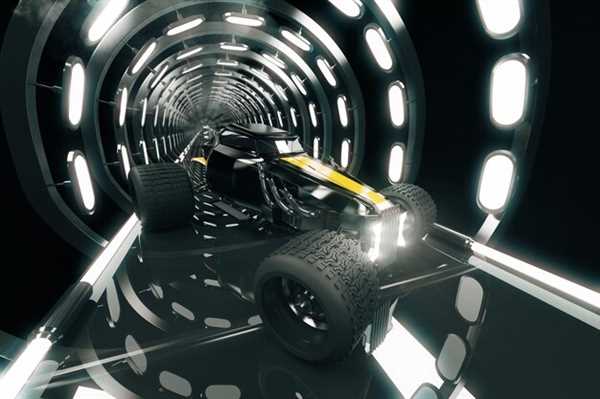
Implement predictive analytics to enhance vehicle setup. Analyze past race data to forecast optimal tire pressure and suspension settings based on track conditions. This approach allows teams to adapt strategies in real-time, ensuring maximum grip and stability.
Integrate machine learning algorithms for telemetry analysis. Continuous monitoring of engine performance, fuel consumption, and tire wear provides insights that help adjust driving styles and pit strategies during events.
Utilize computer vision for real-time feedback. Cameras on cars can assess track surfaces and obstacles, enabling drivers to make adjustments on the fly. This enhances response times and reduces the likelihood of errors.
Incorporate AI-based simulations for aerodynamic testing. Simulate various body configurations and airflow patterns to identify the most efficient designs. Reducing drag while increasing downforce leads to improved speed and handling.
Leverage strategy optimization tools for race day decisions. Use AI systems to analyze competitor behavior, suggesting optimal pit stop timings and tire choices based on predictive analytics and real-time data.
Focus on custom machine learning models tailored to specific circuits. Analyze patterns from previous events on a given track to refine set-up strategies that cater to unique characteristics, enhancing overall performance outcomes.
Engage with remote data analysis post-race to assess long-term improvements. Gather insights from various components over multiple races and use this data to refine car designs and team strategies for upcoming competitions.
Enhancing Driver Decision-Making with Machine Learning

Integrate machine learning algorithms to assist drivers in real-time decision-making. By analyzing historical race data, these algorithms can predict tire performance, fuel consumption, and track conditions. For instance, a model trained on various weather conditions can provide insights into optimal tire choices based on forecasted rain or temperature shifts.
Implement predictive analytics to evaluate competitors’ behavior. Patterns from past races allow for the identification of aggressive overtaking maneuvers or braking points, leading to more informed tactical decisions during the race.
Employ reinforcement learning for adaptive strategies. This approach enables systems to learn from each lap, refining approaches based on immediate feedback. For example, if a particular overtaking method proves successful, the system can suggest similar tactics in future scenarios.
Utilize sensor data to monitor vehicle dynamics. Machine learning can analyze telemetry data to alert drivers about potential issues, such as tire wear or overheating, allowing for timely adjustments and preventing performance drops.
Incorporate simulation tools that leverage deep learning models to anticipate race scenarios. By running thousands of simulations, drivers receive recommendations based on the most successful strategies previously identified.
Connect driver feedback directly to data analytics. This loop enhances machine learning models, making them more accurate in predicting human responses under similar conditions, ultimately improving decision-making during high-pressure situations.
Establish a collaborative interface where the driver can interact with machine learning outputs in a user-friendly format. This ensures that critical information, such as optimal race lines and pit stop strategies, is readily accessible without overwhelming the driver.
Predictive Analytics for Race Strategy and Tire Management
Utilize real-time data analysis to inform tire selection and pit stop timing. Analyze tire wear patterns through previous races to forecast performance degradation across various track conditions. Employ predictive models that incorporate factors such as weather forecasts, track temperature, and driver performance metrics.
Incorporate machine learning algorithms to model tire lifespan and optimize pit strategies. For instance, utilizing historical data sets enables teams to predict the ideal number of laps for each tire compound under similar conditions. Adjust tire management strategies dynamically based on lap times and competitors’ performances.
Monitor telemetry data to assess tire temperatures and pressures during the race. Implement alert systems that notify the team when parameters deviate from optimal ranges. This ensures timely adjustments to pit strategies, enhancing overall race performance.
Simulate race scenarios using advanced predictive analytics to explore various strategies. Factors to consider include potential safety car deployments, fuel load variations, and tire degradation rates. This allows teams to develop contingency plans and adapt strategies as the race unfolds.
Utilize cloud-based analytics platforms for collaborative decision-making among team members. Share insights in real-time to ensure everyone is aligned on strategy and execution during the race.