

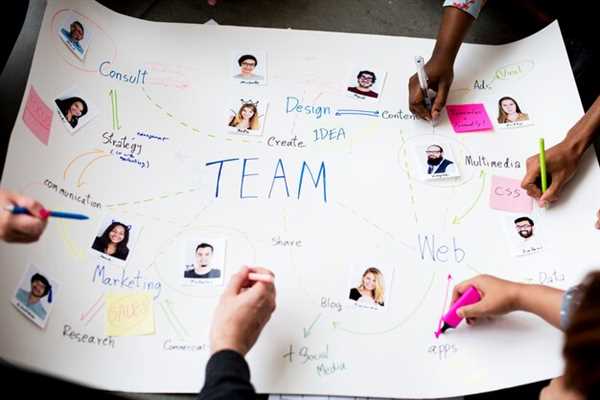
Define clear roles within your group. Every member must understand their responsibilities to contribute effectively to common goals. Create specific guidelines that delineate tasks and expectations, resulting in enhanced collaboration and progress tracking.
Implement regular feedback loops. Encourage open dialogue and continuous assessment of performance. This process allows for immediate adjustments and keeps everyone aligned with project objectives, reducing potential time and resource waste.
Utilize collaborative tools for streamlined communication. Select platforms that facilitate real-time information sharing and documentation. The right technology can bridge gaps between members, enabling a more cohesive workflow regardless of location.
Pursue a balanced mix of skills. Ensure your collective has a diverse set of competencies to tackle various challenges. A well-rounded team can adapt to shifting demands, enhancing problem-solving capabilities and innovation.
Establish measurable outcomes. Define key performance indicators (KPIs) for assessing success. Regularly review these metrics to ensure the collective remains on track and to celebrate achievements, motivating progress and accountability.
Defining Roles and Responsibilities for Optimal Performance
Assign specific tasks to enhance productivity and clarity. Each member should have clear functions mirroring the precision of a racing team. Define who manages communication, project coordination, and deadlines to streamline tasks.
Regularly evaluate performance metrics tied to individual roles. Encourage peer feedback to refine responsibilities. Just as a pit crew operates seamlessly under pressure, every member should know their contribution to the overall objective.
Implement a structured onboarding process to clarify responsibilities from the outset. This practice helps new recruits understand their roles quickly, similarly to how drivers familiarize themselves with a track before a race.
Adapt responsibilities based on evolving project needs. Use agile methodologies to reassign roles as conditions change, ensuring the team remains dynamic and responsive, much like a well-tuned race car adjusting for different tracks.
Establish clear accountability frameworks. Use tools like RACI (Responsible, Accountable, Consulted, Informed) to delineate who does what, preventing overlaps and confusion. This approach mirrors the distinct areas of expertise in motorsport, where each member is critical to success.
Encourage collaboration while maintaining distinct roles. Cross-functional meetings can ensure alignment, much like team briefings before a race. This cohesiveness drives performance and helps troubleshoot issues swiftly.
Implementing Communication Protocols for Real-Time Decision Making

Establish a centralized communication hub where all critical data from different units converge. Utilize platforms like Slack or Microsoft Teams to streamline discussions, ensuring everyone involved is on the same wavelength.
Incorporate racing-style pit stop signals to communicate urgent information instantly. Use specific colors or emojis to convey status updates rapidly–green for go, yellow for caution, and red for stop.
Designate communication roles to prevent information overload. Assign individuals as information coordinators to filter and relay messages, ensuring that decision-makers receive concise, relevant data without distractions.
Implement regular training sessions that focus on real-time communication tactics. Conduct simulations that mimic high-pressure environments, allowing members to practice delivering and interpreting instructions under tight deadlines.
Leverage data analytics tools to gather insights in real-time. This data should inform decisions through dashboards, providing immediate feedback and enabling quick adjustments based on performance metrics.
Encourage a culture where feedback is immediate. Adopt a ‘feedback loop’ approach where team members share insights after each operation or project, facilitating continuous improvement.
Ensure that all communication is documented in a shared repository. This archive serves as a reference for past decisions and outcomes, aiding in future evaluations and planning.
Perform regular audits of current communication protocols. Assess their success in achieving timely decisions, making modifications as needed to enhance clarity and response time.
Integrate communication with performance tracking during operations. Use mobile notifications to alert teams about shifts in real-time metrics, keeping everyone prepared for rapid adjustments.
Analyzing Data and Metrics to Enhance Team Performance
Implement a robust analytics framework that tracks performance indicators such as speed, accuracy, and collaboration rates. For instance, if racing teams focus on lap times, they can dissect each segment to identify inefficiencies. Advanced data tools allow for real-time feedback, enabling members to adjust tactics during a race, leading to quicker decision-making.
Utilize key performance metrics such as sprint velocity and completed tasks over defined periods. These figures provide insight into the dynamics of interactions between participants, shedding light on strengths and areas needing improvement. Regularly review these metrics to pivot strategies when necessary.
Daily stand-ups should include quick reviews of these analytics to enhance accountability. Each member can report progress, allowing for immediate adjustments. Racing groups utilize telemetry data to enhance vehicle performance; similarly, reviewing operational metrics can optimize workflow and minimize delays.
Benchmarking against industry standards serves as another effective tactic. Analyze competitor performance metrics to identify gaps within your unit. This comparative analysis inspires innovation and propels teams toward higher benchmarks resembling racing dynamics, where every second counts.
Lastly, implement feedback loops to collect qualitative data from participants. Surveys and focus groups can reveal underlying concerns not apparent in numerical data, enhancing the overall understanding of team dynamics and improving satisfaction rates and performance outcomes.