

To harness the full potential of racing competitions, municipalities and businesses must focus on strategic investment in infrastructure and marketing. For instance, cities hosting prominent races typically experience a surge in tourism, with evidence suggesting that events like the Monaco Grand Prix can attract over 100,000 visitors, generating millions in local revenue.
The halo effect of these racing shows extends far beyond immediate financial gains. Brands that partner with such competitions often see significant boosts in visibility and consumer engagement. Sponsorship deals can yield returns upwards of 200%, particularly when leveraged with social media campaigns targeting specific demographics excited about high-speed challenges.
In addition to financial implications, these spectacles foster community spirit and local pride. Initiatives around educational programs for youth in conjunction with racing events provide long-term benefits, investing in the next generation’s interest in technology and engineering fields. Overall, integrating local culture with key racing traditions can create a lasting legacy that resonates well beyond the last lap.
Impact of Motorsport Events on Local Economies
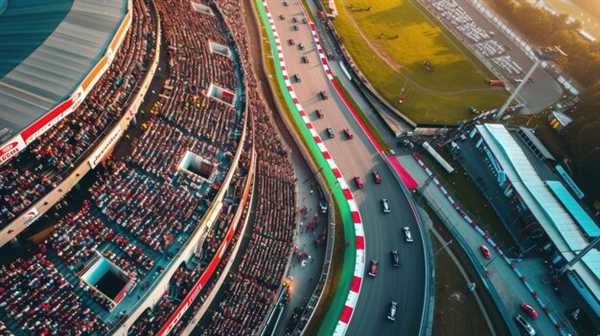
Local businesses should prepare for significant increases in revenue by adjusting inventories and staffing levels to accommodate the influx of visitors during racing weekends. Historical data from various competitions indicates that cities hosting these occasions often experience spikes in hotel bookings, with occupancy rates reaching up to 90% or higher. Therefore, promoting local accommodations and ensuring competitive pricing can maximize the benefits observed during these periods.
Dining establishments frequently see substantial patronage, with some restaurants reporting up to 50% higher sales. Collaboration with local eateries to create special menus or packages could enhance the visitor experience while driving profit margins for food services.
Transportation services must be ramped up to manage increased demand effectively. Partnerships with taxi and rideshare companies can ensure efficient transit options for spectators, while investments in public transport infrastructure can mitigate congestion issues and enhance accessibility to the venue.
Merchandising has proven to be a lucrative avenue; hosting exclusive sales events or partnering with local craftspeople to create themed souvenirs can generate additional cash flow. Data shows that licensed merchandise sales often double during such events, contributing directly to local economic growth.
Involvement of community organizations can amplify the impact on the regional economy. Creating volunteer opportunities or engagement programs ensures local residents benefit from the event while fostering community spirit. These collaborations can also enhance public relations efforts for the event organizers, establishing a positive atmosphere surrounding the occasion.
Finally, thorough post-event analyses are crucial. Gathering feedback and sales data can assist in tailoring future engagements to fit community needs, ensuring sustained growth in subsequent years. Adjustments based on this intelligence will enhance local participation and overall revenue generation in future gatherings.
Sponsorship and Advertising Revenue in Motorsport
Prioritize partnerships with brands aligned with target demographics to maximize sponsorship potential. Engaging in extensive market research can identify companies keen on expanding their visibility during racing competitions.
Consider tiered sponsorship packages offering varying levels of exposure, from on-track signage to digital marketing opportunities. This flexibility can attract a broader range of sponsors, accommodating both small businesses and large corporations.
Utilize data analytics to showcase audience engagement metrics, emphasizing the reach and impact of advertisements during races. Present case studies demonstrating successful partnerships to entice potential sponsors.
Leverage social media platforms for real-time engagement, enhancing brand presence beyond the circuit. The integration of live streaming and interactive content can vastly increase viewer participation and attract advertisers interested in digital impressions.
Explore cross-promotional opportunities with local businesses to enhance community impact and create additional revenue streams while boosting outreach for sponsors.
Keep track of industry trends to adapt strategies that appeal to evolving market demands. This agility will reinforce long-term relationships with sponsors and strengthen financial stability.
Job Creation and Skill Development in Motorsport Regions
Hosting racing competitions generates direct employment opportunities across various sectors including hospitality, logistics, and event management.
Regions that become hubs for racing activities report a significant increase in job openings for technicians, engineers, and marketing professionals, directly linked to the demand from teams and sponsors.
Training programs in automotive technology and engineering developed in conjunction with local educational institutions can enhance workforce skills, aligning training efforts with industry needs.
Partnerships between racing organizations and vocational schools can facilitate hands-on learning, providing students with real-world experience and increasing their employability.
The influx of visitors during racing weekends stimulates local economies, creating temporary positions in retail, food services, and accommodation, thus boosting overall community employment.
Long-term impact manifests through the establishment of specialized suppliers and service providers, driven by the local demand from racing teams, leading to sustainable job growth.
Collaboration with tourism agencies can promote the region’s motorsport culture, attracting international events and ensuring a steady flow of opportunities in event-related fields.
Investing in infrastructure related to racing also opens the door for civil engineering jobs, improving local facilities and supporting future events.
To maximize benefits, local governments should encourage initiatives that promote skill development workshops, ensuring the workforce is prepared to meet the evolving needs of the racing industry.