
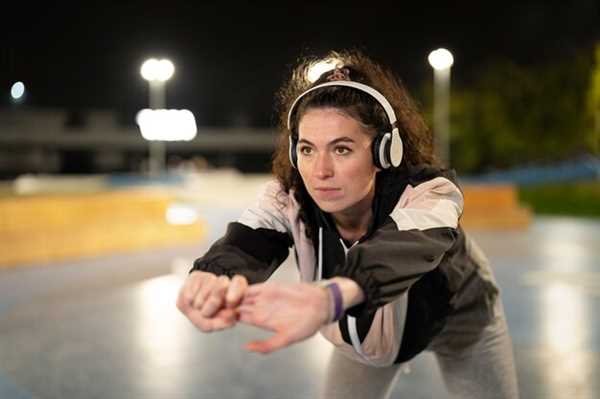
To achieve superior outcomes on the track, drivers must focus on honing their snap decision-making abilities. One effective approach is through reaction drills that simulate racing scenarios, allowing the driver to practice quick judgment and execution without the pressure of a live event.
Incorporating visual and auditory cues can significantly elevate a driver’s responsiveness. For instance, using colored lights or sound cues to signal actions can train the brain to react instinctively, mirroring the conditions faced during competitions.
Regular practice involving dynamic exercises, such as reflex games and reaction sprints, can accelerate a driver’s ability to respond to unexpected situations. Additionally, employing cognitive training tools, like video games designed to enhance visual processing speed, can further sharpen these skills.
Utilizing Cognitive Training Techniques for Faster Response

Incorporating dual-task paradigms within mental exercises can enhance a competitor’s ability to respond quickly during high-pressure scenarios. These activities require individuals to manage cognitive load while simultaneously executing physical actions.
- Practice with reactionary video games: Engage with fast-paced titles that demand quick decision-making to train the brain for swift input processing.
- Implement visual-spatial tasks: Activities like juggling or pattern recognition games sharpen peripheral awareness and attentional focus, crucial for drivers needing to react to dynamic environments.
- Use imagery exercises: Visualizing various racing scenarios and re-enacting them mentally primes the brain for potential real-world challenges, enhancing anticipatory skills.
Engaging in mindfulness techniques can also aid in refining focus and reducing distractions that slow down response capabilities. Regular sessions of meditation may contribute to improved concentration during races.
- Create a routine incorporating short, timed challenges that simulate race conditions.
- Utilize reaction timers to practice immediate responses to stimuli in a controlled environment.
- Track performance metrics to assess progress and adjust cognitive practice schedules accordingly.
Incorporate feedback mechanisms where drivers can review their cognitive performance post-activity, helping them understand decision-making patterns and accelerate improvements.
Implementing Simulator Exercises to Enhance Real-World Performance
Incorporate realistic scenarios within a simulator to sharpen the driver’s skills. Focus on quick decision-making exercises that mimic real racing conditions. For instance, use software that simulates diverse weather effects and track surfaces affecting vehicle handling.
Setup reaction drills that require drivers to respond to sudden changes, such as obstacles or the need for evasive maneuvers. Include a reaction time challenge where drivers must hit virtual targets at random intervals. Track progress over multiple sessions to gauge improvement.
The use of telemetry data can provide insights into performance metrics. Analyze which aspects of the exercises lead to better outcomes in real-life races. Adjust simulator parameters accordingly to target weaker areas consistently.
Integrate augmented reality for an immersive experience. This allows drivers to practice in environments that closely resemble actual racing conditions while honing their reflexes and response strategies.
Lastly, collaborate with engineers to fine-tune control settings of the simulator. Ensure handling, braking, and acceleration in the virtual environment closely resemble that of the actual vehicle for maximum benefit. Regular assessments can validate the effectiveness of this approach, helping drivers translate skills acquired in the simulator to the track effectively.
Analyzing Reaction Time Metrics to Tailor Driver Development
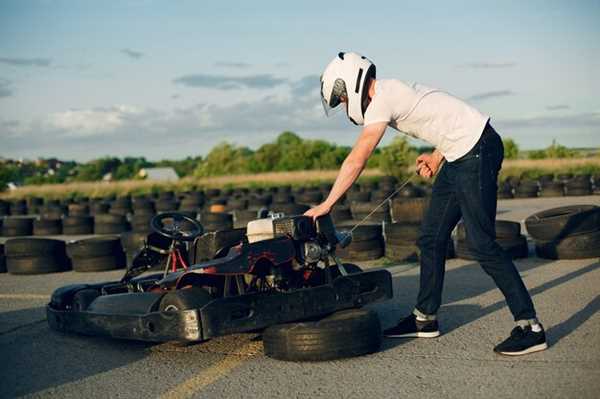
The utilization of precise analytics can significantly enhance the skills of drivers. Start by tracking key metrics during practice sessions, including response intervals and decision-making latency. Utilize high-speed cameras and telemetry data to capture and quantify these metrics in real time.
Subsequently, compare individual results against benchmark data from top performers. This allows for the identification of specific areas for growth, such as hand-eye coordination and ergonomic adjustments in cockpit positioning.
Incorporate drills that focus on stimuli response times, employing visual cues and auditory signals to simulate race conditions. Specific exercises such as reaction-ball drills can be beneficial, as they improve reflexes and anticipatory skills.
Regularly assess progress through consistent testing and adjustment of training plans based on the analytics obtained. Ensure detailed logs of daily performance metrics to identify improvement trends over time.
Implement cognitive training tools and simulators that challenge attention span and judgment under pressure. Analyze how different variable factors, like fatigue and stress management, influence a driver’s performance to create more tailored regimens, encouraging versatile approaches.
Lastly, integrating wearable devices that monitor physiological responses alongside cognitive metrics provides a holistic view of each driver’s readiness. This dual approach helps in tailoring the development process to individual needs and ultimately enhances competitive edge on the track.