
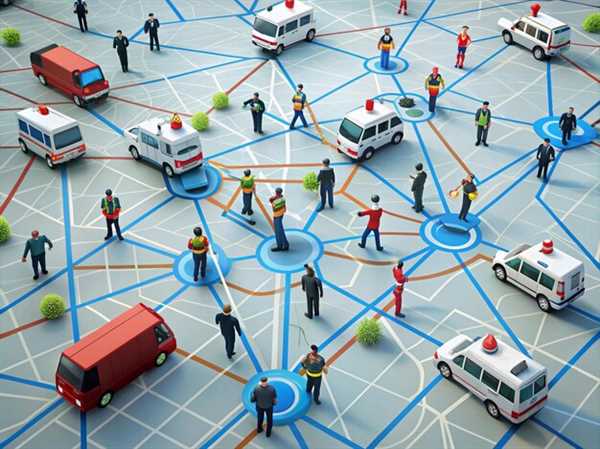
Utilize telemetry data during races for real-time feedback between racers and their technical teams. This exchange enables quick adjustments based on track conditions and vehicle performance. By leveraging precise metrics, such as tire temperature and fuel levels, drivers can relay essential insights while on the circuit.
Encourage regular pre-race briefings to establish a shared understanding of objectives. Both parties should discuss strategies that integrate engineering perspectives with the driver’s experience on the track. This collaborative approach enhances decision-making and ensures that every aspect of performance is aligned.
Employ a structured approach to post-race debriefs. Analyze data collectively, focusing on what worked well and areas needing improvement. Creating a feedback loop ensures that lessons learned inform future strategies, fostering a culture of continuous improvement and reinforcing the bond between operatives and technical staff.
Establishing Clear Communication Channels During Races

Utilize reliable radio systems to ensure constant connectivity between competitors and their technical teams. High-quality audio devices minimize interference, allowing for accurate transmission of critical information in high-pressure situations.
Implement standardized codes for quick reference during races. These codes can convey urgent updates or adjustments in strategy without lengthy explanations, facilitating swift decision-making on track.
Encourage real-time telemetry feedback featuring essential metrics like tire temperature, fuel levels, and engine performance. This data aids in rapid assessment of race conditions, enabling on-the-fly adjustments to driving tactics.
Schedule periodic debriefings prior to events to align team objectives and strategies. Clear roles should be outlined for each individual, reinforcing accountability and ensuring everyone understands their responsibilities throughout the race.
Promote open dialogue to build trust and rapport among team members. This rapport fosters a collaborative environment where ideas can be shared freely, enhancing overall race strategy.
During races, ensure concise updates are provided to the pilot regarding track status, competitor movements, and potential hazards. This information empowers the driver to make informed choices while navigating the circuit.
Employ visual signals as supplementary reinforcement to verbal messages. Flags or lights can provide immediate context, minimizing reliance on verbal communication during high-speed scenarios.
Regularly assess and refine communication protocols after races. Learning from experiences contributes to future improvements, allowing teams to adapt and enhance their strategies continuously.
Utilizing Telemetry Data for Real-Time Feedback

Implement a system where telemetry data is transmitted in real-time using a secure and fast communication link. This allows for immediate insights into vehicle performance during a race.
Employ specific sensors to monitor tire temperature, pressure, and wear. This data is crucial for adjusting strategies and informing the racer about optimal pit stop times. Share insights on tire performance via direct messaging, ensuring the pilot understands when to adjust driving style.
Utilize steering angle and throttle position data to assess handling characteristics. Relay this information promptly to refine vehicle settings based on real-time feedback. Continuous updates on the car’s behavior can significantly impact driving tactics.
Incorporate a dashboard application that displays real-time metrics and alerts. This tool should highlight engine performance, fuel consumption, and braking efficiency. Enable rapid decision-making based on current conditions, providing the racer with the necessary support on the track.
Facilitate a feedback loop where racers can share immediate concerns or observations regarding vehicle setup. Use this information to adjust parameters remotely or prepare for subsequent laps, maximizing competitive advantage.
Building Trust and Understanding Between Drivers and Engineers
Regular meetings are key; setting weekly or bi-weekly sessions allows for real-time feedback regarding car performance and driver experiences. These discussions should prioritize direct information exchange about track conditions, mechanical behavior, and driver preferences.
Transparency is critical. Engineers benefit from insights into how drivers feel about setups. This can inform necessary adjustments and foster a sense of collaboration. Similarly, drivers should be briefed on engineering concerns, such as the impact of certain modifications on lap times or vehicle stability.
Establishing a clear, consistent reporting structure aids in communication clarity. Utilize standardized forms or checklists for drivers to express feedback on vehicle behavior under various conditions, which engineers can subsequently analyze for actionable improvements.
Utilize technology effectively. Implementing data acquisition systems allows real-time telemetry sharing, offering engineers insight into how driving styles interact with vehicle dynamics on track. This data fosters a feedback loop that reinforces trust, as drivers see their input leading to tangible enhancements.
Team-building exercises strengthen relationships and improve mutual understanding. Joint activities outside of race preparation can build camaraderie, making it easier to share critical insights when challenges arise on race day.
Address issues openly and promptly. Creating an atmosphere where concerns can be raised without fear of backlash helps to ensure that all team members feel valued and heard. This environment encourages drivers to share issues promptly and engineers to respond proactively.
Celebrate successes collectively. Acknowledging achievements, whether it’s a successful race finish or an engineering breakthrough, reinforces teamwork. Recognition fosters a sense of belonging, making future communication more effortless and open.