

Implementing a robust framework for healthcare at competitive venues is paramount. Prioritize establishing rapid communication systems among medical teams, race officials, and track personnel to enhance coordination during critical situations. Ensure that teams are trained to utilize these systems effectively, facilitating swift access to emergency services.
Adopt standardized protocols for injury assessment and management, as this lays the groundwork for timely intervention. Employ advanced monitoring systems to track participants’ health metrics in real-time, which can aid in early detection of potential risks. Additionally, utilize data analytics to evaluate past incidents, driving improvements in safety measures for future events.
Adequate placement of medical facilities around the venue is crucial. Strategically position these units near high-risk areas to reduce response times during incidents. Regular drills and simulations involving all personnel will ensure preparedness and solidify teamwork, creating a cohesive safety culture that ultimately prioritizes participant well-being.
Deployment of On-Site Medical Resources during Races
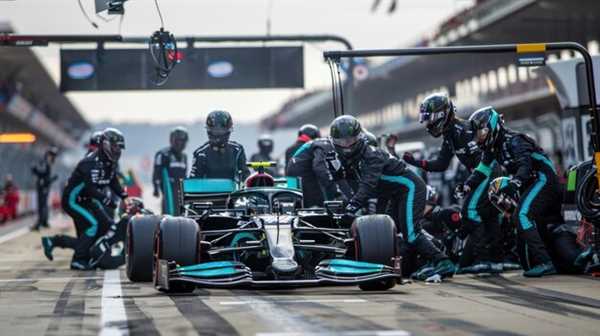
Prioritize positioning ambulances within immediate access of critical zones. Allocate personnel trained in trauma care at key locations to ensure rapid assistance in emergencies. Establish a centralized treatment facility equipped with essential supplies, including resuscitation equipment and basic life support tools.
Designate specific roles for medical staff to streamline operations. Assign a lead physician to coordinate responses among teams, while paramedics and nurses manage patient care and triage. Conduct regular briefings to maintain high readiness levels and ensure all team members are familiar with protocols.
Utilize real-time communication systems for instant alerts regarding accidents or injuries on the track. Implement a clear signaling system for communication between race control and medical teams. This enables faster mobilization of resources where they are needed most.
Conduct thorough risk assessments prior to events to identify potential hazards unique to each venue. Use this analysis to adjust the placement of medical units and personnel accordingly. Training on specific circuit layouts and likely incident scenarios is crucial for all first responders.
Regular drills simulating emergency situations will enhance the preparedness of all staff involved. This practice allows for evaluation of response times and the effectiveness of on-site resources, fostering continuous improvement.
Collaborate with local hospitals to establish protocols for the transfer of injured individuals. Ensure understanding of the information that must accompany patients for quick treatment upon arrival. This partnership enhances continuity of care beyond the venue.
Finally, maintain a focus on spectator safety by offering accessible first aid stations throughout the area. Trained volunteers can assist with minor injuries and ensure quick referral to professional medical teams in more serious cases.
Protocols for Managing Medical Emergencies on the Track
Establish a rapid communication system between emergency personnel and event officials to facilitate quick decision-making during incidents. This includes radio communication devices programmed for direct channels.
Develop on-site triage protocols that categorize injuries based on severity. Implement a color coding system (e.g., red for urgent, yellow for stable but needing care) to streamline treatment and evacuation processes.
Conduct drills simulating various emergency scenarios to ensure all staff are familiar with procedures and roles. This training should include coordination with local healthcare facilities to ensure proper patient transport.
Maintain readily accessible first aid stations equipped with life-saving equipment, such as defibrillators and oxygen tanks. Location maps should be clear to all personnel and spectators.
Formulate a clear evacuation plan outlining routes for ambulances, ensuring they can access all areas of the venue quickly. Mark these routes visibly, and keep them clear at all times.
Establish regular debriefing sessions after events to review emergency response effectiveness, identifying areas for improvement. Involve all stakeholders, including medical teams and track officials, in these evaluations.
Implement a robust documentation system to record all incidents. This includes patient information, response times, and treatments administered, allowing for data analysis and report generation.
Ensure adequate training and certification for all medical staff, focusing on motorsport-related injuries. Continuous education on the latest medical techniques and technologies is imperative.
Provide spectators with information on how to report emergencies. Clearly display emergency contact numbers and procedures prominently throughout the venue.
Collaboration with Local Healthcare Facilities for Racer Safety

Establish direct communication channels with nearby hospitals and clinics to ensure rapid access to advanced care. Coordinate a detailed plan that includes:
- Regular briefings with local healthcare professionals to understand facility capabilities and response protocols.
- Simulation exercises to practice emergency scenarios, ensuring all parties are familiar with roles and responsibilities.
- Creating triage protocols that enable effective prioritization of care based on injury severity and type.
Develop integrated systems for information sharing regarding participant health risks, including:
- Data management systems that track medical conditions of racers and their responses to treatment.
- Real-time updates on the status of injured racers communicated to local healthcare teams while maintaining confidentiality.
Train event staff in basic life support and first aid to provide immediate assistance until professional help arrives. Encourage participation in advanced training for key personnel to enhance preparedness.
Consider establishing a dedicated liaison officer to facilitate ongoing relationships with local healthcare providers. This role should focus on:
- Building rapport to streamline communication during events.
- Gathering feedback post-event to refine joint procedures and address any identified vulnerabilities.
Implementing these practices leads to enhanced safety and care for participants, ultimately reducing the risks associated with high-speed competitions.