

Examine the rapid advancements in technology that are reshaping the landscape of motorsport. Cutting-edge innovations like electric propulsion and hybrid systems are not only enhancing performance but are also addressing environmental concerns. These shifts are compelling teams to adapt their strategies and invest in sustainable practices.
The influence of globalization cannot be overlooked. As events draw participants and fans from multiple continents, promoters must cater to diverse audiences. Tailoring marketing efforts and engagement strategies to local cultures is becoming increasingly critical for maintaining competitiveness and relevance in this global arena.
Sponsorship dynamics are changing, with brands seeking deeper connections with consumers. Engaging narratives and immersive experiences are essential for attracting sponsors who prioritize social responsibility and community involvement. This shift necessitates a reevaluation of partnership models to align with evolving corporate values.
As fan engagement transforms through digital platforms, organizations must leverage innovative technologies like augmented reality and interactive content. Building a strong online presence is crucial for enhancing spectator experiences and creating communities around events, thereby increasing loyalty and participation.
Impact of Technological Innovations on Racing Performance
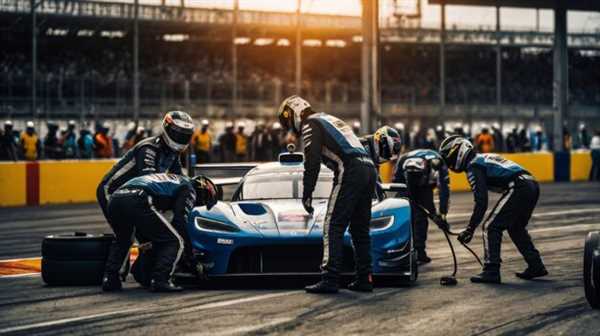
Utilizing data analytics significantly elevates competitors’ strategies on tracks. By employing real-time telemetry systems, teams can fine-tune vehicle setups according to changing conditions. This data-driven approach allows for precise adjustments, enhancing overall performance and adaptability.
Incorporating hybrid technology is transforming power units, delivering improved efficiency and acceleration. As many organizations adopt hybrid engines, the balance between power and sustainability becomes more crucial. Innovations here enhance speed while reducing environmental impact.
Advanced materials and design play a critical role in vehicle dynamics. The utilization of lightweight composites and aerodynamic shapes leads to savings in weight and improvements in drag coefficients. Teams employing these materials witness a tangible boost in lap times and cornering abilities.
Simulators are essential for driver training and strategy development. High-fidelity simulation tools allow drivers to experience various track scenarios without real-world risks. This preparation enables them to refine their skills, enhancing on-track performance significantly.
Artificial intelligence enhances decision-making processes. By analyzing vast datasets, AI provides insights into optimal racing lines, tire strategies, and pit stop timings. Adopting such technologies can result in quicker, data-informed decisions during races, influencing results substantially.
Communication systems have evolved, allowing instantaneous exchanges between drivers and pit crews. Real-time updates and strategies contribute to dynamic race management. Teams that excel in this area can respond rapidly to emerging scenarios on the track.
Safety innovations also contribute indirectly to performance. Enhanced crash structures and monitoring systems ensure driver safety, allowing for greater confidence and focus on performance. Research in this area continues to push boundaries, ensuring athletes can compete at high levels without compromising safety.
Staying ahead in modern motor competitions requires an ongoing commitment to these technologies. Teams investing in cutting-edge solutions will likely achieve superior results and heightened competitiveness.
Shifts in Fan Engagement Strategies Across Global Markets

Leverage localized content to cater to diverse cultural preferences, enhancing relatability and connection with fans. Tailored messaging for regional audiences can significantly boost engagement levels.
Integrate mobile applications featuring live updates, interactive elements, and personalized notifications to maintain interest and facilitate real-time interaction during events.
Utilize social media platforms not just for announcements but as engagement hubs. Host Q&A sessions, polls, and live streams with drivers to foster a sense of community among supporters.
Adopt augmented reality experiences in-stadium and at home, providing immersive interactions. This technology can create memorable moments, encouraging fans to share their experiences on social media.
Analyze data to identify fan behavior patterns, allowing for customized experiences. Targeted marketing based on insights can optimize ticket sales and merchandise promotions.
Encourage fan-generated content by creating hashtags or contests, empowering supporters to participate actively in promoting events and enhancing their sense of ownership.
Collaborate with influencers within motorsport who resonate with specific demographics, expanding reach and attracting new audiences through their established networks.
Implement loyalty programs, rewarding fans for their engagement and attendance. Exclusive experiences, merchandise, or discounts can significantly enhance customer retention.
Environmental Sustainability Practices in Racing Competitions
Adopt biofuels made from sustainable sources to minimize carbon emissions during competitions. Several organizations are transitioning from traditional fossil fuels to renewable options like ethanol and biodiesel, promoting cleaner racing experiences.
Implement recycling and waste management programs at events, ensuring that materials like plastics, metals, and other disposables are effectively sorted and processed. This effort reduces landfill waste and promotes a circular economy.
Collaborate with local communities to create green initiatives, such as tree planting and habitat restoration projects. Engaging fans and participants in these activities enhances community relations and fosters environmental awareness.
Utilize electric or hybrid vehicles in competitions, showcasing advancements in automotive technology and demonstrating commitment to reducing greenhouse gas emissions. Manufacturers are increasingly investing in electric race series, which can influence consumer preferences.
Establish guidelines for sustainable event planning that include energy-efficient lighting, reduced water usage, and carbon offset programs. Participants and organizers can contribute to greater sustainability through transparent practices and measurable outcomes.
Encourage manufacturers to adopt eco-friendly production processes, focusing on materials that minimize environmental impact, such as recycled components and eco-conscious supply chains. Innovations in manufacturing can drive industry-wide change.