

Focus your attention on the design of racing vehicles to enhance speed and stability on the track. Modern racing cars are meticulously engineered with advanced shapes that minimize drag and optimize airflow. Analyzing wind tunnel data can provide insights into how to reshape components like spoilers and bodywork for superior performance.
Examine the role of airflow management systems, which direct the air around critical areas such as brakes and tires. These enhancements prevent overheating and maintain traction at high speeds. Prioritize innovations in underbody designs that create ground effect, allowing cars to achieve greater downforce without increasing drag, leading to improved cornering capabilities.
Consider integrating lightweight materials that not only reduce the overall weight but also enhance the stiffness of the structure. This combination can result in quicker acceleration and better handling. Monitoring the latest advancements in computational fluid dynamics will help you stay ahead by predicting airflow patterns around various vehicle designs.
Optimize each aspect of the vehicle; modifications to the rear wing, front splitter, and side pods can yield substantial benefits to both speed and handling. Engaging in continuous testing and evaluation will ensure that every iteration of the car has been refined for peak performance during races.
How Wing Design Optimizes Downforce in Race Cars
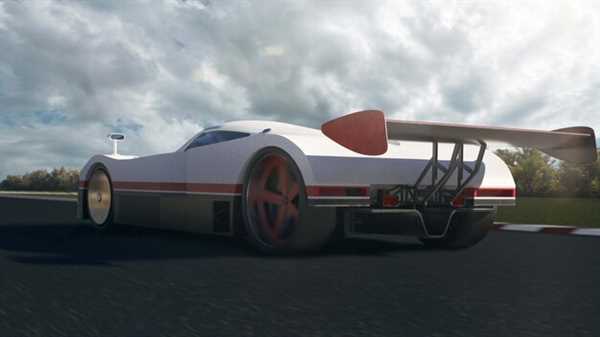
Implement a multi-element rear wing to significantly increase downforce at various speeds. This design allows manipulation of airflow, creating vortices that enhance grip on the track. The angle of attack can be adjusted for different racing conditions, maximizing the aerodynamic efficiency of your vehicle.
Utilize adjustable flaps on wings to fine-tune downforce levels during a race. By altering the flap angle, drivers can adapt to changing track conditions, optimizing handling without sacrificing speed. Experiment with different materials, such as carbon fiber, to reduce weight while maintaining structural integrity.
Incorporate a front wing designed to channel air under the car, working in conjunction with the rear wing for balanced downforce. The proper balance between front and rear downforce minimizes drag, allowing for faster straight-line speed while maintaining cornering stability. Consider using endplates to control the airflow around the tires, reducing turbulence and improving overall performance.
Monitor the car’s performance data to understand how wing design impacts tire wear and fuel efficiency. Analyzing wind tunnel tests can provide insights into how adjustments affect downforce generation, allowing for precise configurations that cater to specific racing scenarios.
The Role of Computational Fluid Dynamics in Car Performance

Utilizing Computational Fluid Dynamics (CFD) directly impacts vehicle efficiency on the track. By simulating airflow, designers can fine-tune shapes to minimize drag and optimize downforce. This precise modeling allows teams to assess alterations without extensive physical testing.
When testing a new car, virtual prototypes rapidly disclose how changes in bodywork or wing configurations affect performance. For instance, tweaking a front splitter’s angle can lead to significant improvements in grip during cornering. Teams often rely on CFD results to validate their design choices before implementing them in wind tunnel tests.
Race teams fetch valuable insights by analyzing vortex formations and flow separation points around the vehicle. These factors play a significant role in overall stability and speed. The data derived from these simulations enables engineers to make informed adjustments, potentially giving them an edge over competitors.
Furthermore, simulating real-world conditions such as varying weather or track surfaces enhances adaptability strategies. With CFD, engineers can predict how airflow widens or contracts, tailoring car setups for specific circuit characteristics.
Real-time integration of CFD data into the racing strategy can also optimize pit stops and tire selection. When teams assess the aerodynamics of different tire combinations via simulations, they can predict the best performance metrics under race conditions.
In conclusion, leveraging CFD is indispensable for teams aiming for victory on the circuit. The ability to visualize and modify aerodynamic attributes leads to optimized performance and strategic advantage.
Impact of Underbody Aerodynamics on Drag Reduction Techniques
Optimize the underbody design of race vehicles to significantly decrease drag. Implement ground effect strategies that enhance downforce while minimizing air resistance. The integration of venturi tunnels can streamline airflow, creating a low-pressure zone that reduces drag coefficient.
Utilize smooth, contoured surfaces on the underbody to prevent turbulent flow over critical components. Test various diffuser designs, as larger and more effective diffusers can increase downforce and improve airflow under the vehicle, leading to reduced drag. Computational fluid dynamics (CFD) simulations will help in refining these shapes accurately.
Incorporate active systems, like adjustable rear diffusers, which can optimize airflow based on speed and race conditions. This technology allows for real-time adjustments, offering enhanced performance on different tracks. Analyze the impact of ride height on airflow; lowering the chassis can improve ground effect and decrease drag when entering turns.
Regularly assess the balance between drag and downforce, as an increase in one can negatively influence the other. Strive for a setup that maximizes straight-line speed while maintaining cornering stability, which is key for competitive racing.
Make use of lightweight materials in underbody construction to improve overall aerodynamic efficiency without adding weight. Ensure that every component, from the floor pan to the air intake passages, contributes to minimizing drag while maintaining structural integrity. Each detail counts in achieving optimal performance on the track.