
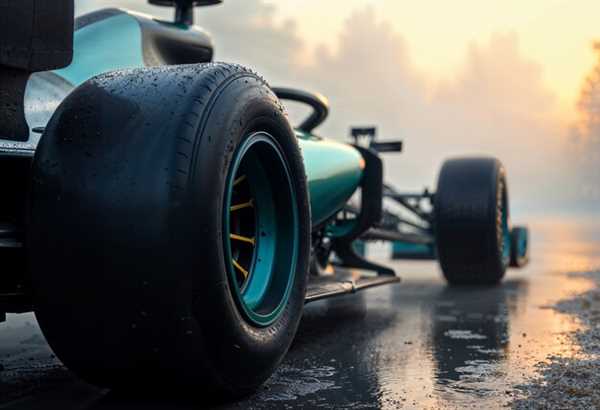
The increasing implementation of battery-powered vehicles on the racetrack signals a pivotal transformation in the competitive automotive scene. This shift not only introduces new technologies, but also appeals to a younger audience craving sustainability and innovation. Events that feature these advanced machines are not merely an attraction; they represent a significant shake-up in the perception and execution of vehicular competition.
Data shows that manufacturers engaging in these electrified formats have seen a surge in brand loyalty and consumer interest. For example, the integration of green technologies has led to notable increases in audience attendance and media coverage, amplifying visibility for participating brands. Moreover, the electrified formats are prompting traditional teams to rethink their strategies, focusing more on efficiency and performance metrics that favor advanced engineering.
As teams experiment with cutting-edge technology, they are also enhancing their understanding of performance analytics, driver training, and fan engagement. This evolution encourages a broader dialogue on hybridization within motorsports, prompting old and new competitors alike to innovate beyond conventional limits. As the lines blur between established practices and fresh approaches, every stakeholder must adapt to ensure their relevance in this changing environment.
How Electric Racing Technologies Are Innovating Traditional Vehicle Designs
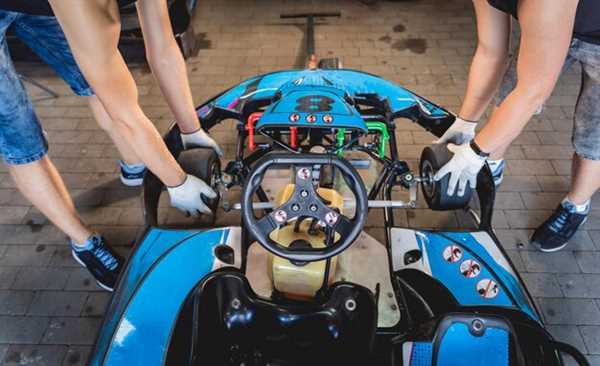
Integrating advanced battery systems significantly increases energy efficiency in vehicles. Instead of conventional fuel tanks, the focus shifts toward optimized battery placement, ensuring weight distribution enhances handling and stability.
Utilizing regenerative braking systems helps recapture energy during deceleration. This not only prolongs battery life but also reduces overall brake wear, contributing to lower maintenance costs and enhanced performance on the track.
By incorporating lightweight materials such as carbon fiber and aluminum alloys, manufacturers can achieve better acceleration and agility. This shift toward lightweight construction leads to lower energy consumption while maximizing speed metrics.
Adaptive aerodynamics, originally designed for electric vehicles, provide real-time adjustments to body shape. This technology enhances downforce and reduces drag, resulting in improved performance dynamics during various racing conditions.
Smart technology integration allows for data analysis in real-time, offering insights into vehicle performance. Understanding tire wear, battery levels, and real-time telemetry aids both drivers and engineers in making informed decisions during races.
The push for sustainability is shaping new designs in vehicle production. Emphasizing recyclable materials and reducing carbon footprints is influencing how teams and manufacturers approach vehicle design from ground up, appealing to modern consumer values.
Testing new propulsion systems enhances reliability and speed metrics on traditional asphalt. Engineers benefit from electric platforms to innovate powertrains without the limitations presented by conventional combustion engines.
Relying on software-driven systems introduces next-level customization possibilities. Drivers can tweak performance parameters to adapt to various track conditions, showcasing versatility in vehicle handling characteristics.
Collaboration between automotive manufacturers and technology firms fuels cutting-edge advancements. Joint efforts lead to breakthroughs that are subsequently applied in standard vehicle models, enhancing function and driving experiences.
The Role of Electric Racing in Shaping Sustainable Practices in Motorsports
The adoption of vehicles powered by electricity significantly reduces the carbon footprint associated with competitive driving. Teams should prioritize the use of renewable energy sources for their operations and facilities to align with environment-friendly practices.
By implementing advanced battery technology and regenerative braking systems, participants can enhance their performance sustainability. Engaging in research partnerships with universities can accelerate the development of innovative solutions that minimize energy consumption during races.
Promoting collaboration between manufacturers and governing bodies leads to standardized eco-friendly regulations that define the future of competitions. Incorporating sustainability into vehicle design not only attracts eco-conscious sponsors but also increases fan engagement through environmental initiatives.
Investing in charging infrastructure at event venues encourages attendees to choose greener transportation options, further amplifying the positive impact on local communities. Additionally, the increased visibility of sustainable practices can inspire grassroots movements, ultimately transforming the culture of speed-based competitions globally.
Impact of Electric Racing on Audience Engagement and Fan Experience

Integrating interactive technologies enhances spectator participation during events. Implement live telemetry and data visualizations to showcase real-time performance metrics, enabling fans to feel more connected with the action on the track.
Utilize social media platforms for direct interaction between drivers and audiences. Live Q&A sessions or behind-the-scenes content can deepen fans’ emotional investment and strengthen community ties.
Augmented reality applications can provide immersive experiences, such as virtual pit visits or 3D track walkthroughs, allowing enthusiasts to explore aspects of competitions they wouldn’t typically access.
Encouraging user-generated content through challenges or contests can amplify enthusiasm. Invite fans to share experiences or create their own highlight reels, establishing a sense of participation and belonging.
Analyze attendance and engagement metrics to tailor future events. Understanding shifts in audience interest helps organizers create more appealing experiences, ensuring long-term loyalty and support.