
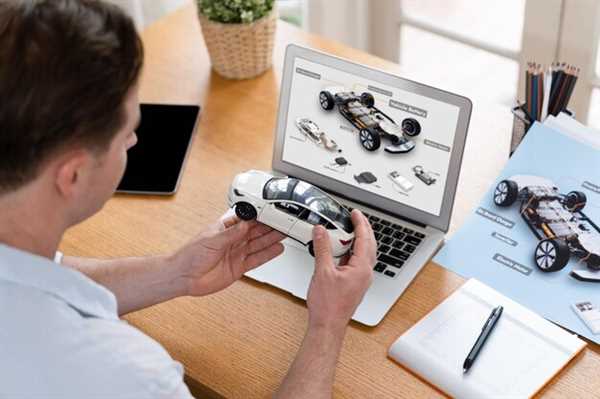
To enhance performance and accelerate the development cycle, motorsport professionals should prioritize the integration of 3D printing technologies within their prototype creation processes. This approach allows for swift iterations and immediate feedback, paving the way for improved design and engineering solutions that cater to the high-stakes environment of racing.
Consider utilizing simulation software alongside physical modeling to test aerodynamic features and structural integrity before final production. These practices not only save time but also reduce material costs. Rapid adjustments based on performance data can lead to significant refinements in car handling and speed.
Collaboration with experienced engineers and technicians during prototype evaluation can yield valuable insights. Building harnesses for data collection during test drives ensures that teams gather the necessary metrics to inform future developments. Keep a close eye on competitor advancements in this area and be prepared to adapt techniques to remain competitive in the fast-paced world of motorsport.
3D Printing for Lightweight Components in Race Cars

Utilize additive manufacturing for creating lightweight structural elements that enhance vehicle performance. Opt for high-strength thermoplastics and composites, which not only reduce weight but also maintain rigidity. For example, components like brackets, housings, and air intakes can be efficiently produced without traditional tooling costs.
Employ iterative design processes to quickly test and refine parts. This approach allows for rapid adjustments based on performance metrics gained from track data. Analyze the designs using simulation software to predict stress and strain, ensuring that each part can withstand racing conditions.
Consider using lattice structures in designs, as they provide excellent strength-to-weight ratios. Combine these with topology optimization techniques to maximize material use while minimizing mass. This method enables the fabrication of complex geometries that traditional methods cannot achieve.
For post-processing, explore surface treatments to enhance durability and reduce friction. Incorporating these components into prototype vehicles can lead to significant gains in speed and handling, proving the effectiveness of modern manufacturing approaches in motorsport applications.
Iterative Design Testing with Rapid Prototyping Tools

Utilize 3D printing for creating components swiftly. This enables you to produce physical models that can be tested on actual vehicles, providing immediate feedback.
Adopt simulation software to visualize performance under various conditions. This tool allows for adjustments without the need for physical alterations, saving both time and resources. Use data analytics to refine designs based on empirical results from simulated tests.
Engage in user feedback sessions by involving drivers and engineers in the evaluation of new concepts. Their insights can highlight areas needing improvement that technical specifications may overlook.
Implement agile methodologies to streamline the design process. Conduct short sprints to develop prototypes and test them against specific performance metrics. Analyze failures and successes in-depth to inform subsequent designs.
Explore composite materials for their lightweight and durable characteristics. Create prototypes using these materials to assess real-world applications in motorsport environments.
Incorporate modular design principles to simplify modifications. This approach facilitates easy upgrades and adjustments based on the results of testing iterations.
Focus on integration between mechanical and electronic components during testing phases. Monitoring systems should be tested alongside physical elements to ensure optimal performance and data accuracy.
Regularly review competitive components and methodologies. Benchmarking against other organizations can inspire improvements and help identify industry best practices.
Real-Time Data Integration for Prototyping and Performance Analysis
Integrate telemetry systems with real-time data analytics platforms to capture crucial metrics during tests. Focus on parameters such as tire temperature, fuel consumption, and lap times to provide immediate feedback for design iterations.
Utilize cloud-based solutions for storage and processing of data from various sensors embedded in vehicles. This approach enables easy access for engineers and designers, facilitating collaborative analysis and decision-making.
Employ advanced algorithms to analyze data streams. Techniques such as machine learning can identify patterns in performance metrics, offering insights that inform adjustments to prototypes, enhancing overall performance.
Implement customizable dashboards that display key performance indicators in real-time. This instant visibility helps engineers make quick adjustments to prototypes during testing sessions, allowing for quicker iteration cycles.
Ensure seamless integration of data visualization tools to convert raw data into actionable insights. Visual representations can help identify trends and anomalies, guiding future developments effectively.
Regularly update data integration strategies to incorporate new technologies and sensors. Staying at the forefront of innovation enhances the ability to obtain real-time insights and refine prototypes more precisely.
Focus on retaining historical data to compare past iterations with current models. Analyzing historical performance aids in validating improvements and determining the impact of specific changes on vehicle dynamics.
Consider collaborative platforms where cross-functional teams can access, share, and analyze data collectively. This fosters a culture of innovation, as different perspectives can contribute to enhanced design and performance outcomes in motorsport contexts.